iOS & Android app development
Your idea,
on every phone.
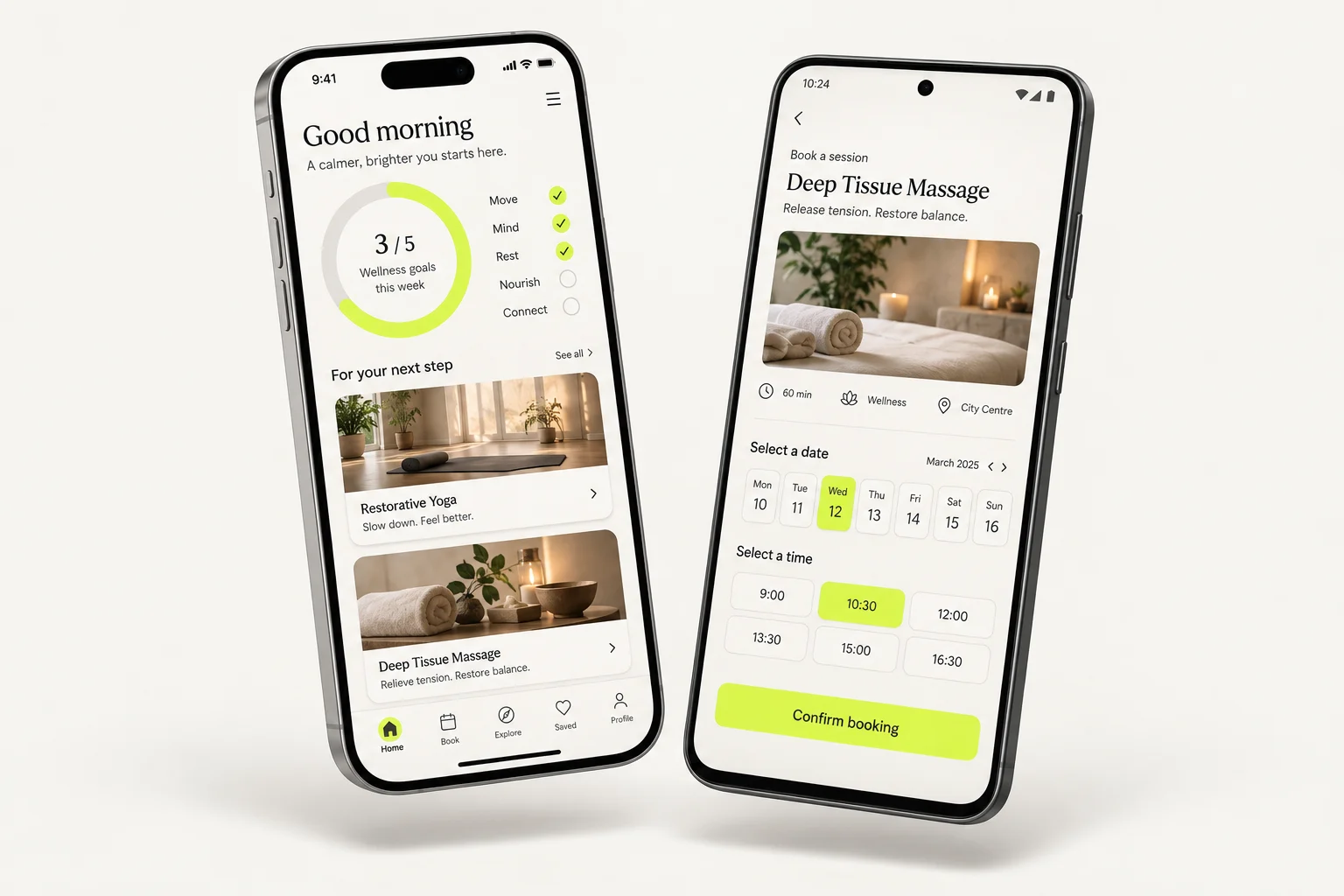
Custom apps for iPhone and Android. They feel natural on each phone, run fast, and we take them all the way to the App Store and Google Play.
- Android
- iOS
- React
- Flutter
- Swift
- Kotlin
The product
One app,
every screen.
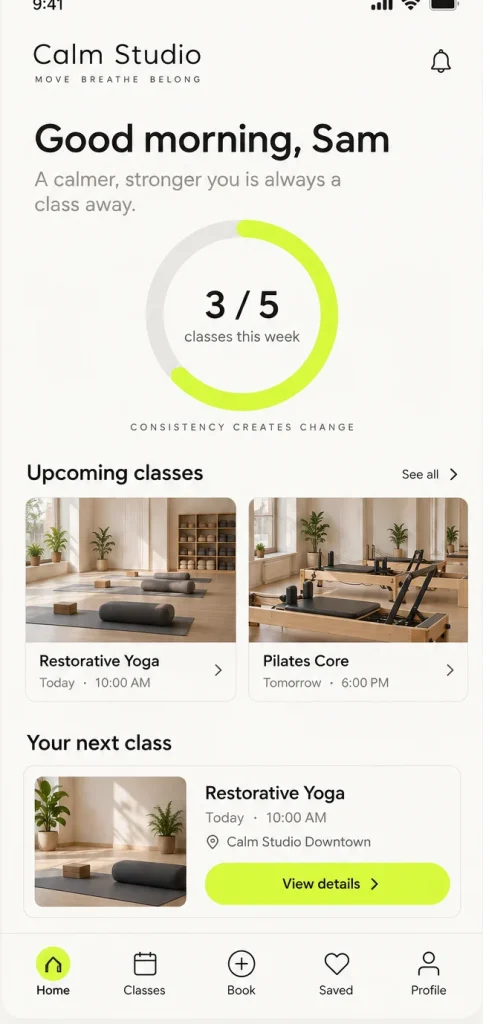
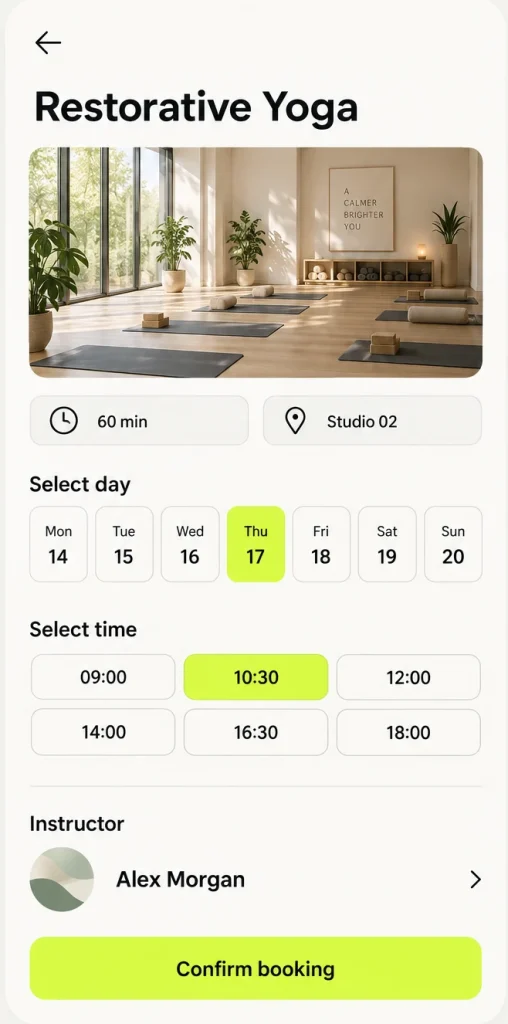
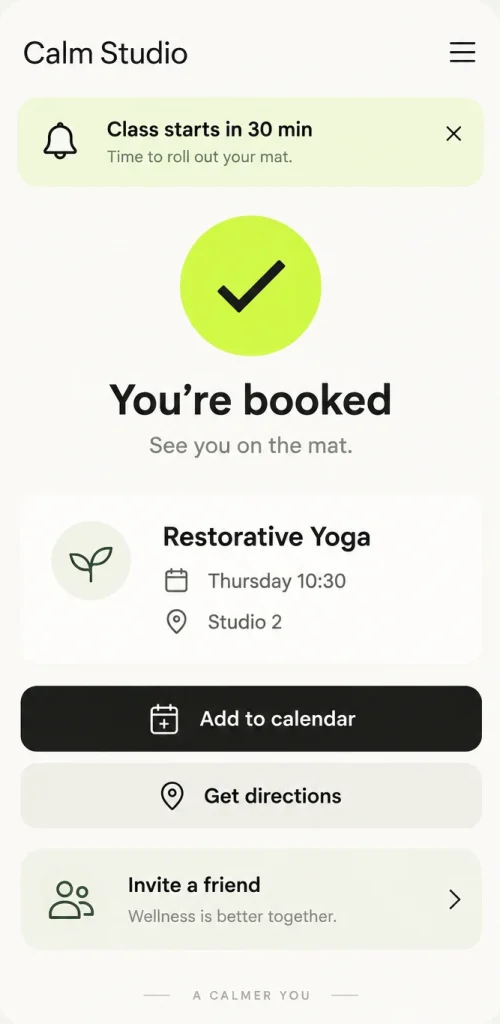
A sample booking app for a made-up wellness studio. It shows the flow we design and build for iOS and Android.

What's included
One app,
both platforms.
An app lives on your customer’s phone, the most personal screen they have. It has to feel right there, fast and natural, on both iPhone and Android.
-
iOS and Android
One app for both platforms. We choose the tools for each project: React Native, Flutter or fully native. We explain why, instead of using our favourite every time.
-
Product design
Screens and gestures designed for touch, and for the moments people will use the app.
-
Performance
Smooth, quick to open and quick to respond. A slow app loses users fast, so we design for speed.
-
Offline and push
The app still works well without a connection. Push messages bring people back when there is something useful to see.
-
Backend and APIs
The services behind the app, like accounts, data and sync, built and connected so everything works together.
-
App store release
We handle the App Store and Google Play submission, review and release. We also help with the updates that follow.
The stack
iOS and Android,
one product.
Native Swift and Kotlin where it matters. React Native or Flutter where one codebase can serve both.
- iOS
- Android
- Swift
- Kotlin
- React
- Expo
- Flutter
- Firebase
- Supabase
- TypeScript
- Figma
- GitHub
The most personal screen
A phone is not a small computer. People use it in a queue, on the sofa or on the move. They have no patience for an app that is slow, awkward, or a website in a wrapper. So we design for touch, for where people are, and for the moments your app is made for.
Cross-platform or native?
React Native and Flutter can both make very good apps from one codebase. For most apps, that is the sensible choice on cost. Native is still better when the app depends on the phone’s hardware, heavy graphics or the newest system features. So the answer depends on what your app does. We decide it with you at the start, and we explain our reasons.
Either way, we take the app through App Store and Google Play review. At the end, your app is live in both stores.
Both platforms, one product
Made for iPhone
and Android.
Custom apps for iPhone and Android that feel natural on each phone. We will tell you if cross-platform or fully native suits your app. The answer depends on what your app needs to do.
- iOS and Android, both equally important
- Native or cross-platform, chosen for your app
- Backend and API built alongside
- App Store and Google Play release handled
How we work
From idea
to the App Store.
01
Define
We turn the idea into a focused first version. What it must do very well, and what can wait. That way the first release gets finished.
02
Design
Screens and steps that feel natural on both platforms. We make a prototype, so you can try the app before we build it.
03
Build and test
We build for iOS and Android and test on real phones, so it works well in people’s hands.
04
Launch and improve
We submit it to the App Store and Google Play, release it, and keep improving it once people start using it.
Behind the build
Flows, numbers
and messages.
Three tools that help after the app is live.
-
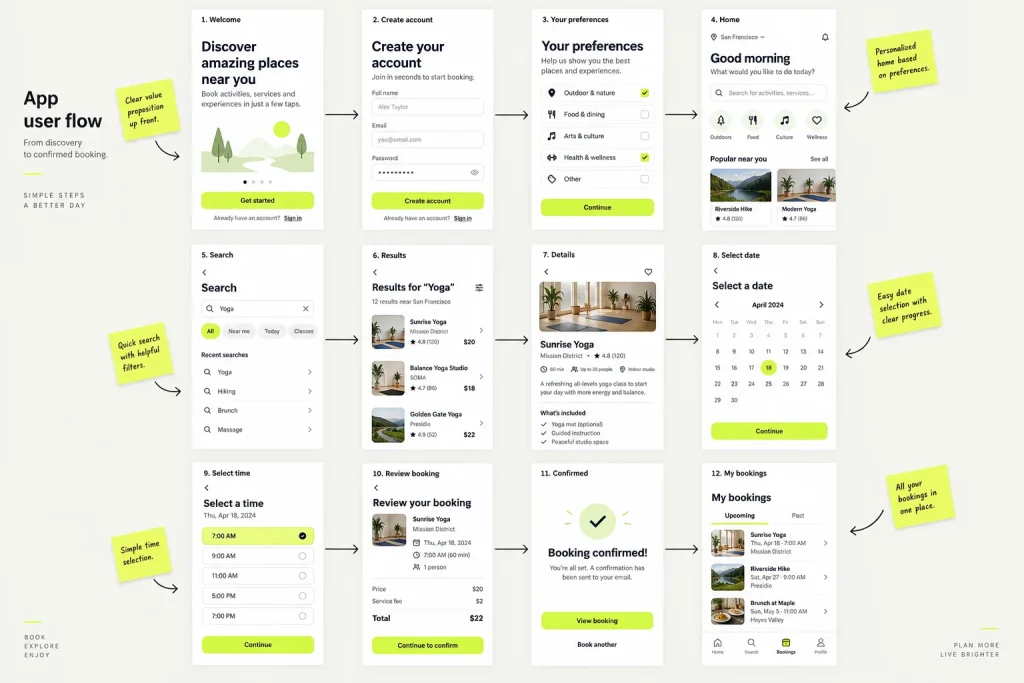
User flows Every screen planned in Figma before we write any code. -
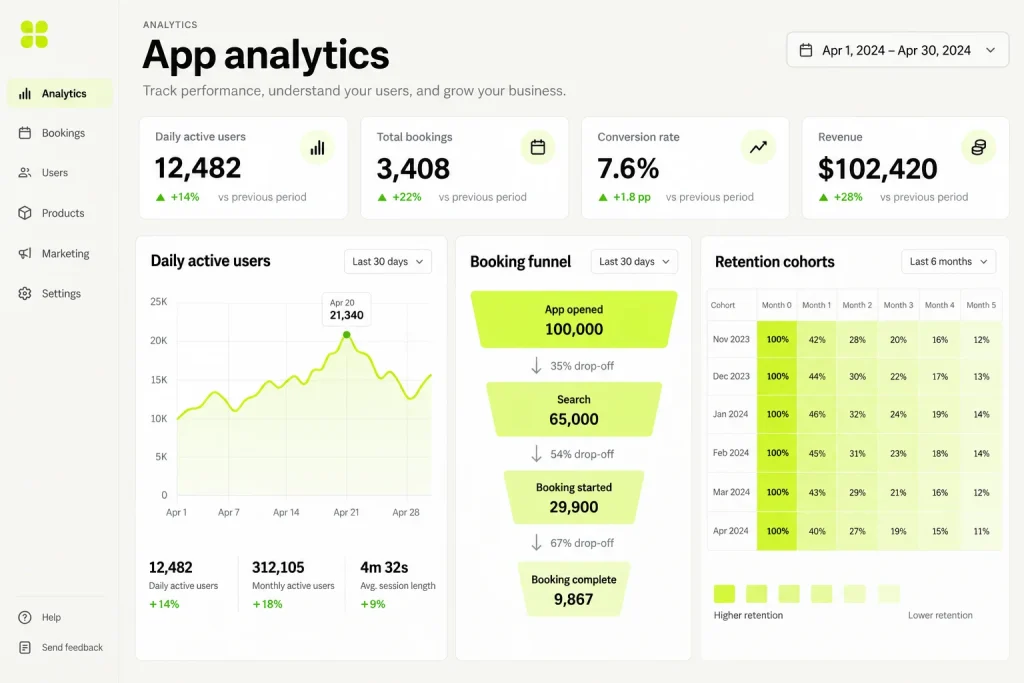
Analytics Usage and sign-up steps measured from the first release. -
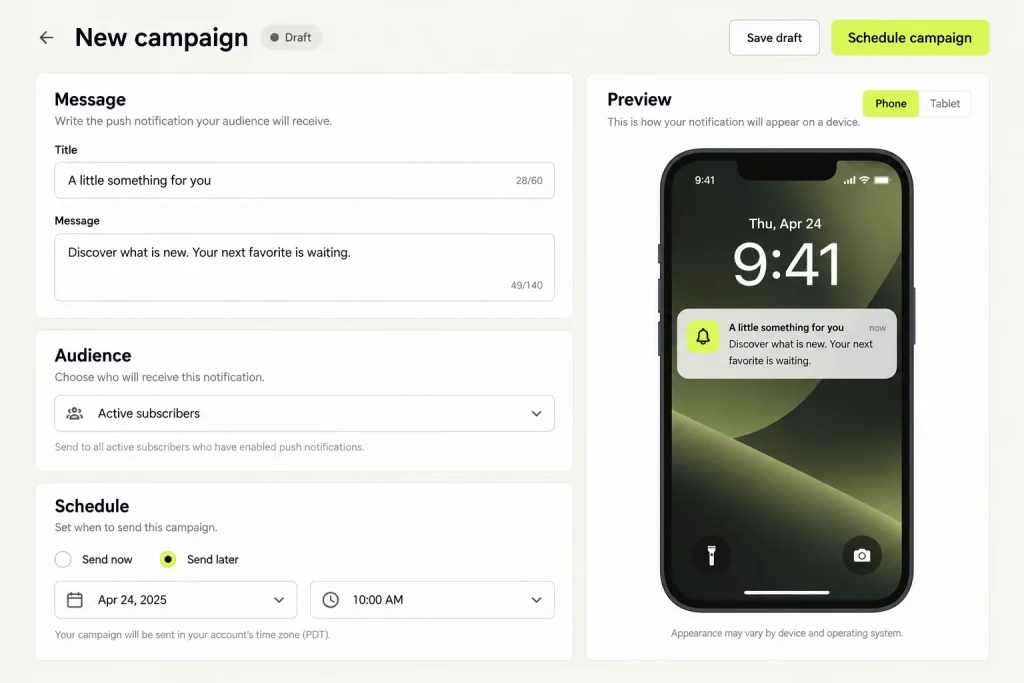
Notifications Push messages your team can send without releasing an update.
One build, two stores
One codebase,
with native parts.
Most of an app is the same on both platforms, so it should be written once. Some parts are different: how navigation feels, permissions, and anything that uses the camera or runs in the background. Those parts get extra care for each platform, because that is where a shortcut starts to show.
- Shared code, with screens that suit each platform
- Backend and API built alongside the app
- App store submission and release handled
Questions
What people ask
about mobile apps.
Yes. You get one app on both, and it follows each platform’s own style, so neither feels like second best.
Yes. Submission, the review process and the release, and the updates after that. It is part of the job.
Yes. We build and connect the backend services the app needs, and link it to the systems you already use.
We plan a small first release around what the app must do well, so it gets finished. Then we grow it based on how people use it.
It depends on the app. Cross-platform is usually the better choice on cost, and it can feel great. Native is worth the extra cost when the app depends on phone hardware, heavy graphics or brand new system features. We will explain the choice clearly.
Get in touch
Got an app in mind?
Tell us your idea. We will help you plan a first version worth releasing, and then build it.